



Understanding SUM Coverage After a Car Accident in New York State
After a serious car accident, many people assume the at-fault driver’s insurance policy is the only money available to them, but that is not always true.
In some New York State car accident cases, your own auto insurance policy may provide additional coverage through something called Supplementary Uninsured/Underinsured Motorist coverage, often referred to as SUM Coverage.

What Is SUM Coverage?
SUM coverage is part of your own personal auto insurance policy. It is designed to protect you when the person who caused the accident either has no insurance or does not have enough insurance to fully cover the cost of your injuries. This can be especially important when the at-fault driver carries only a minimum policy.
For example, if the at-fault driver only has $25,000 in bodily injury coverage, but your own policy includes higher SUM coverage, you may be able to recover the full amount from the at-fault driver’s insurance and then pursue an additional claim through your own insurance company.
How Can SUM Insurance Coverage Help You?
Many car accident victims don’t realize that the other driver’s policy is not always the end-all-be-all of the case. You may be paying for SUM coverage through your own policy without knowing it could apply after a serious accident.
That’s one huge reason why it is so important to review all of your available insurance policies after a motor vehicle accident. If you don’t, you could be missing out significantly.
In a recent 2026 case, one of our clients believed they were limited to the at-fault driver’s $25,000 policy. After reviewing the available coverage, our Tiveron Law team was able to successfully pursue both the full bodily injury policy from the at-fault driver and the available SUM coverage through the client’s own insurance. The client was thrilled because the recovery amount was much greater than they originally anticipated.
Every case is different, and past results do not guarantee future outcomes, but the takeaway is simple: do not assume the at-fault driver’s policy limit is the final answer.
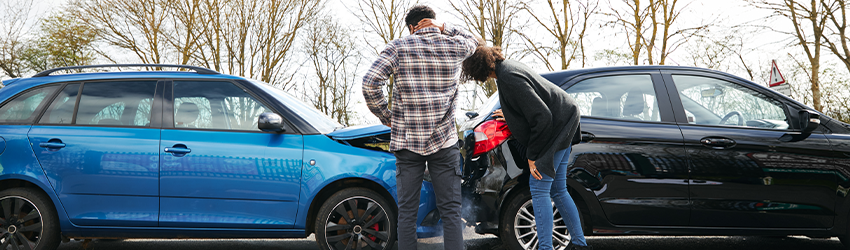
Don’t Settle Your Case Too Quickly
SUM Claims involve specific rules, deadlines, notice requirements, and tricky policy language. In many cases, the at-fault driver’s policy must be exhausted before a SUM claim can move forward. That’s why you should never settle your case too quickly, before you fully explore your options.
Before accepting a settlement, it is important to understand:
- How much insurance the at-fault driver has
- Whether your own policy includes SUM coverage
- Whether your SUM coverage is higher than the other driver’s policy
- Whether settling with the other driver could affect your ability to pursue more compensation
These details matter. A mistake early in the process can limit your options later.
You Cannot Add SUM Coverage After the Accident
One of the most important things to understand about SUM coverage is that it must already be in place before the accident happens. You generally cannot add SUM coverage, or increase your SUM limits, after a crash and expect that new coverage to apply to an accident that already occurred. Insurance coverage is based on the policy you had at the time of the accident.
That’s why the best time to review your auto insurance policy is before you need it.
Many people focus on keeping premiums low, but minimum coverage may not be enough to protect you and your family after a serious accident. Taking the time now to speak with your insurance agent and make sure you have strong bodily injury, and SUM coverage can make a major difference if you are ever injured by a driver with little or no insurance.

Consult with a Personal Injury Attorney
If you were injured in a New York car accident, please do not assume you are limited to the at-fault driver’s insurance coverage. Don’t hesitate to call us here at Tiveron Law, where our personal injury attorneys can review the available insurance coverage, explain your options, and help you pursue the compensation you are entitled to after a serious motor vehicle accident.